
Shutoffs, slope, future access and leak testing.
Safely clear a minor drain blockage
Highly detailed yellow-level guide to safely clear a minor drain blockage, with responsibility split, inspection hold points, quote review and work acceptance.
Prepared by RenoAtlas.ca · Content reviewed: 2026-08-02 · editorial method
Concealing an unverified connection.
Permit or authorized contractor depending on the change.
Calculate
Budget estimator
Enter local prices or quotes in Canadian dollars. No data is sent to a server.
Specialized equipment
All ratesPossible rentals for this project
Power drain snake
Confirm capacity, accessories, transport, deposit, fuel and damage waiver.
Able Equipment RentalsBurnaby, BC · 2026-08-01
Day45.00 $Week180.00 $Month450.00 $
Older guide — verifySewer inspection camera
Confirm capacity, accessories, transport, deposit, fuel and damage waiver.
Able Equipment RentalsBurnaby, BC · 2026-08-01
Day200.00 $Week800.00 $Month1,900.00 $
Older guide — verifyDawson RentalsWinnipeg, MB · 2026-08-01
Half day65.00 $Day90.00 $
Dated snapshotRates often exclude tax, delivery, fuel, accessories, deposit and damage waiver. Confirm before booking.
Respiratory protection
Full mask guideSelect for the hazard, never by appearance
Possible hazards
- task-specific dust or products to confirm
hazard assessment first
Priority controls
- Eliminate or reduce dust/vapour at the source before relying on a respirator.
- Use appropriate wet methods, HEPA capture, local exhaust and isolation.
- Read the SDS and exact product instructions.
What is not sufficient
- Choosing a respirator by appearance or colour is not a selection method.
Stop if
- Stop if the contaminant is unknown, air is inadequate, a seal is impossible or symptoms occur.
Final selection depends on contaminant, concentration, SDS, fit and the applicable program. An air-purifying respirator does not supply oxygen.
Yellow phase — complex project
Plumbing and water management
Yellow describes technical complexity, not legal permission. Verify permits, inspections and trade requirements in your province, territory and municipality before starting.
Important limit
A careful homeowner can often perform a like-for-like accessible fixture replacement. This guide details that work, but concealed changes, regulatory uncertainty or existing defects trigger stop-work and local verification.
Layers and interfaces to watch
- 1
Accessible supply and shutoff
- 2
Mechanically supported connections
- 3
Drainage, slope, venting and trap as applicable
- 4
Watertightness and protection of adjacent materials
- 5
Future access for inspection and maintenance
Homeowner can always
- Measure, photograph, inventory and document existing conditions.
- Compare products, unit prices, quantities, rentals and delivery or disposal charges.
- Verify permits, licences, insurance, references and schedule before signing.
- Protect belongings, prepare access and keep a daily work log.
- Observe inspection points without modifying or commissioning a regulated system.
- Close and verify accessible fixture stops; know the main shutoff location and keep a tray ready.
- Measure connections, photograph the assembly and buy exact parts before disassembly.
Competent DIY if allowed
- Like-for-like replacement of an accessible fixture, faucet, trap or mechanism without relocating concealed piping.
- Replace compatible hoses and seals without reusing a crushed seal or damaged hose.
- Clean sealing surfaces, assemble without strain and support components to avoid loading fittings.
- Restore water gradually, dry fittings and check with dry tissue immediately, after 15 minutes and after use.
- Keep connections accessible and document installed parts.
Qualified trade, permit or inspection
- Relocate or add supply, drainage, plumbing venting or a stop inside a wall/floor.
- Correct major corrosion, fragile piping, concealed leak, damaged flange or inadequate slope/venting.
- Install backflow protection, water heater, pump, disposer or equipment requiring a permit/fixed electrical connection.
- Perform work where the jurisdiction reserves it to an authorized plumber.
Preparation file
- Photograph initial conditions, damage, interfaces and access before any demolition.
- Write down scope, exclusions, exact materials, method and acceptance criteria.
- Confirm permits, utility locates, notifications and inspections before ordering or demolition.
- Read technical data sheets, installation instructions and warranties for selected products.
- Plan access, occupant protection, dust, noise, ventilation, weather, waste and storage.
- Create a project file with quotes, plans, photos, invoices, lot numbers and contact details.
- Identify main and local shutoffs, piping type and areas that could be affected.
- Confirm whether the change requires a permit, inspection, backflow protection or qualified plumber.
- Prepare pans, absorbents, ventilation and a gradual water-restoration method.
Permit and inspection questions
Controlled sequence
Detailed stages and hold points
Each stage states who may act, what to verify and what evidence to retain.
1
Before work
Define scope, permits and responsibilities
A verifiable scope prevents surprise exclusions and uninspected concealed work.

Substeps
- Photograph initial conditions, damage, interfaces and access before any demolition.
- Write down scope, exclusions, exact materials, method and acceptance criteria.
- Confirm permits, utility locates, notifications and inspections before ordering or demolition.
- Identify main and local shutoffs, piping type and areas that could be affected.
- Confirm whether the change requires a permit, inspection, backflow protection or qualified plumber.
- Prepare pans, absorbents, ventilation and a gradual water-restoration method.
Homeowner role
Prepare measurements, photos, questions, comparisons and administrative checks.
Qualified role
Confirm method, technical details, inspections and responsibility limits.
Quality check
Contract, plans, products, inspections, exclusions and acceptance criteria are identifiable.
Hold point
Do not order non-returnable products or demolish before this validation.
Stop if
The quote does not describe method, products, permits or unforeseen conditions.
Evidence to keep
Signed scope, plans, emails, permit or written authority confirmation.
2
Execution
Identify the system and photograph existing valves, connections and moisture
A clear scope prevents wasted purchases and rework.
Substeps
- Identify the system and photograph existing valves, connections and moisture signs.
- Read the exact product data sheet and note limits, wait times and application conditions.
- Measure existing conditions in more than one location and record variations before buying.
- Allow for waste, accessories, delivery, disposal and a modest contingency.
- Avoid strain on connections and preserve access for testing and service.
- Photograph this point and record product, measurement or result before proceeding.
Homeowner role
The homeowner can generally prepare, measure, document and verify, provided no regulated system is opened or modified.
Qualified role
Modification of piping, plumbing venting, water heater, backflow protection or main service where regulated.
Quality check
Scope, quantities and sequence are written down before work starts.
Hold point
Do not conceal or pay this milestone before verification and photos if this work will become hidden.
Stop if
Stop if the scope affects structure, a regulated system or an unevaluated suspect material.
Evidence to keep
Overall photo, close-up detail, product used and relevant measurement or test.
3
Execution
Locate and gently test the appropriate shutoff without forcing a
A check before putting tools away allows small defects to be corrected.

Substeps
- Locate and gently test the appropriate shutoff without forcing a seized mechanism.
- Inspect from several angles and lighting conditions, then gently test stability or operation.
- Photograph hidden areas, products, lot numbers and useful measurements.
- Clean up, remove protection at the proper time and record required maintenance.
- Avoid strain on connections and preserve access for testing and service.
- Photograph this point and record product, measurement or result before proceeding.
Homeowner role
The homeowner can generally prepare, measure, document and verify, provided no regulated system is opened or modified.
Qualified role
Modification of piping, plumbing venting, water heater, backflow protection or main service where regulated.
Quality check
The result works, appears uniform and shows no leak, movement or visible damage.
Hold point
Do not conceal or pay this milestone before verification and photos if this work will become hidden.
Stop if
Do not conceal a defect; correct or document it before final close-out.
Evidence to keep
Overall photo, close-up detail, product used and relevant measurement or test.
4
Execution
Protect surfaces and prepare a tray, towels and a leak-checking
Protection costs less than repairing adjacent surfaces.
Substeps
- Protect surfaces and prepare a tray, towels and a leak-checking method.
- Remove what can be removed instead of only masking it.
- Cover surfaces with non-slip protection and isolate dusty areas.
- Label and store hardware in separate containers.
- Avoid strain on connections and preserve access for testing and service.
- Photograph this point and record product, measurement or result before proceeding.
Homeowner role
The homeowner can generally prepare, measure, document and verify, provided no regulated system is opened or modified.
Qualified role
Modification of piping, plumbing venting, water heater, backflow protection or main service where regulated.
Quality check
No fragile surface, opening or travel path is unnecessarily exposed.
Hold point
Do not conceal or pay this milestone before verification and photos if this work will become hidden.
Stop if
Stop if removal reveals suspect material, moisture or hidden damage.
Evidence to keep
Overall photo, close-up detail, product used and relevant measurement or test.
5
Execution
Perform only permitted, product-compatible work
A clear scope prevents wasted purchases and rework.
Substeps
- Perform only permitted, product-compatible work; never conceal an unverified connection.
- Read the exact product data sheet and note limits, wait times and application conditions.
- Measure existing conditions in more than one location and record variations before buying.
- Allow for waste, accessories, delivery, disposal and a modest contingency.
- Avoid strain on connections and preserve access for testing and service.
- Photograph this point and record product, measurement or result before proceeding.
Homeowner role
The homeowner can generally prepare, measure, document and verify, provided no regulated system is opened or modified.
Qualified role
Modification of piping, plumbing venting, water heater, backflow protection or main service where regulated.
Quality check
Scope, quantities and sequence are written down before work starts.
Hold point
Do not conceal or pay this milestone before verification and photos if this work will become hidden.
Stop if
Stop if the scope affects structure, a regulated system or an unevaluated suspect material.
Evidence to keep
Overall photo, close-up detail, product used and relevant measurement or test.
6
Execution
Restore service gradually, observe every connection and recheck after several
A check before putting tools away allows small defects to be corrected.
Substeps
- Restore service gradually, observe every connection and recheck after several hours.
- Inspect from several angles and lighting conditions, then gently test stability or operation.
- Photograph hidden areas, products, lot numbers and useful measurements.
- Clean up, remove protection at the proper time and record required maintenance.
- Avoid strain on connections and preserve access for testing and service.
- Photograph this point and record product, measurement or result before proceeding.
Homeowner role
The homeowner can generally prepare, measure, document and verify, provided no regulated system is opened or modified.
Qualified role
Modification of piping, plumbing venting, water heater, backflow protection or main service where regulated.
Quality check
The result works, appears uniform and shows no leak, movement or visible damage.
Hold point
Do not conceal or pay this milestone before verification and photos if this work will become hidden.
Stop if
Do not conceal a defect; correct or document it before final close-out.
Evidence to keep
Overall photo, close-up detail, product used and relevant measurement or test.
7
Acceptance
Test, accept and close the project
A project is complete only when tests, documents and deficiencies are resolved.
Substeps
- Slow water restoration, air purge and repeated inspection at normal pressure.
- Multiple-cycle test and next-day recheck.
- Detailed invoices and proof of subcontractor payment where relevant.
- Closed permits, inspection reports and test results.
- Data sheets, warranties, serial numbers, colours, lots and spare materials.
- Plans or photos identifying concealed elements, services and access points.
Homeowner role
Conduct the acceptance walk-through, record deficiencies and retain all documents.
Qualified role
Demonstrate operation, provide measurements, correct deficiencies and explain maintenance.
Quality check
Acceptance criteria, tests, inspections, cleaning and documents are complete.
Hold point
Do not authorize final payment before corrections and delivery of closeout records.
Stop if
A safety defect, leak, movement, alarm, odour or test result remains unresolved.
Evidence to keep
Commissioning report, final photos, closed deficiency list and warranties.
Inspection matrix
| Milestone | Pass criteria | Evidence |
|---|---|---|
| Before demolition | Scope, protection, permits and initial conditions confirmed. | Overall pre-work view with location references. |
| After opening | Substrate, services and concealed conditions assessed before repair. | Services, framing, substrate and defects after opening but before repair. |
| Before concealment | After connection, before closing wall, floor or cabinet. | Each layer or interface before it is concealed. |
| Before finish | Required tests passed and surfaces accepted before final covering. | Test results, instrument readings and inspection label. |
| Final acceptance | Operation, finish, documents and deficiencies verified. | Final result from several angles, plus details and transitions. |
Critical hold points
- After opening and identifying piping, before any cut.
- After connection, before closing wall, floor or cabinet.
- After leak and function testing, before finish work.
Technical acceptance
- No leaks, seepage, sewer odour, vibration or strain on connections.
- Shutoffs and service access identified and usable.
- Flow, drainage and temperature work without backup or abnormal water hammer.
- Materials compatible with water, temperature and existing piping.
Commissioning
- Slow water restoration, air purge and repeated inspection at normal pressure.
- Multiple-cycle test and next-day recheck.
Minimum photo log
- Overall pre-work view with location references.
- Services, framing, substrate and defects after opening but before repair.
- Products used with label, model, lot number and date.
- Each layer or interface before it is concealed.
- Test results, instrument readings and inspection label.
- Final result from several angles, plus details and transitions.
Cost control
Break down the quote
Comparison basis: detailed line-item scope and clearly identified allowances
- 1diagnosis
- 2permit or inspection
- 3access and opening
- 4parts and fixtures
- 5piping and fittings
- 6plumbing labour
- 7testing
- 8finish repairs
- 9waste
- 10warranty
Required fields
- quantity and unit
- product, model or grade
- unit price or allowance
- hours, crew or labour allowance
- preparation and substrate conditions
- permits, inspections and tests
- delivery, equipment and disposal
- taxes, exclusions and contingency
Red flags
- Lump sum without quantities or identified materials.
- No line item for preparation, flashing, drainage, testing or commissioning where relevant.
- Payment requested before the observable milestone or inspection.
- Product substitution without data sheet or warranty impact.
- Verbal change order or price without credit for deleted work.
- No clear responsibility for damage, access, cleaning or restoration.
Before signing
Questions for the contractor
- What exact method do you propose for “Safely clear a minor drain blockage” and why does it suit existing conditions?
- Which products, models, thicknesses, quantities and accessories are included?
- Who obtains permits, schedules inspections and provides reports?
- Which concealed conditions would trigger a change and how will it be priced?
- Which work will be concealed and when can I photograph or inspect it?
- Which tests and measurements will be delivered at acceptance?
- Which exclusions, allowances, mobilization, delivery and disposal charges are not in the price?
- What labour warranty applies and who manages the manufacturer warranty?
- What is the milestone schedule and which delays are plausible?
- How will you protect the home, occupants and adjacent surfaces?
Milestone payments
- Tie each payment to an observable milestone, not only a date.
- Do not pay for concealed work before applicable photos, tests and inspections.
- Retain a meaningful final amount until deficiencies are corrected and documents delivered.
- Verify provincial rules governing deposits, holdbacks, liens and payments.
Change orders
- No non-emergency change should begin without a written description of the cause and revised scope.
- Price should separate labour, materials, equipment, schedule impact and credit for deleted work.
- Request photos or evidence of the unforeseen condition before it is concealed.
- Compare the minimum compliant option, recommended option and any optional upgrade.
- Keep authorization, date and cumulative budget and schedule impact.
Documents to receive
- Detailed invoices and proof of subcontractor payment where relevant.
- Closed permits, inspection reports and test results.
- Data sheets, warranties, serial numbers, colours, lots and spare materials.
- Plans or photos identifying concealed elements, services and access points.
- Operating, maintenance, winterization and inspection schedule.
- Written list of corrected deficiencies and final acceptance date.
Maintenance and monitoring
- Inspect the project after its first service season and after a major weather event.
- Keep touch-up products, spare parts, lot numbers and documents.
- Record any leak, crack, movement, noise, odour or performance change and act early.
- Follow the manufacturer schedule for cleaning, filters, seals, protection or winterization.
- Do not hide a recurring defect with sealant, paint or a temporary adjustment.
Inspection
Full defect libraryDefects to recognize before, during and after this project
Defects homeowners often encounter on this type of project. Some records use credited real photos; others use conceptual references. Symptoms and real-world context remain the reference.
Rusted, leaking or abnormally noisy water heater
Rust, water in the pan, dripping relief valve or kettle-like noise can signal leakage, overheating, pressure or sediment.
- Water at the base, corroded fittings, dripping relief valve, brown water or popping noise.
Septic-system or well warning signs
Odours, soggy ground, cloudy water or rapid pump cycling require assessment specific to private systems.
- Odour, backup, unusually green grass, soggy soil, cloudy water or pressure variation.
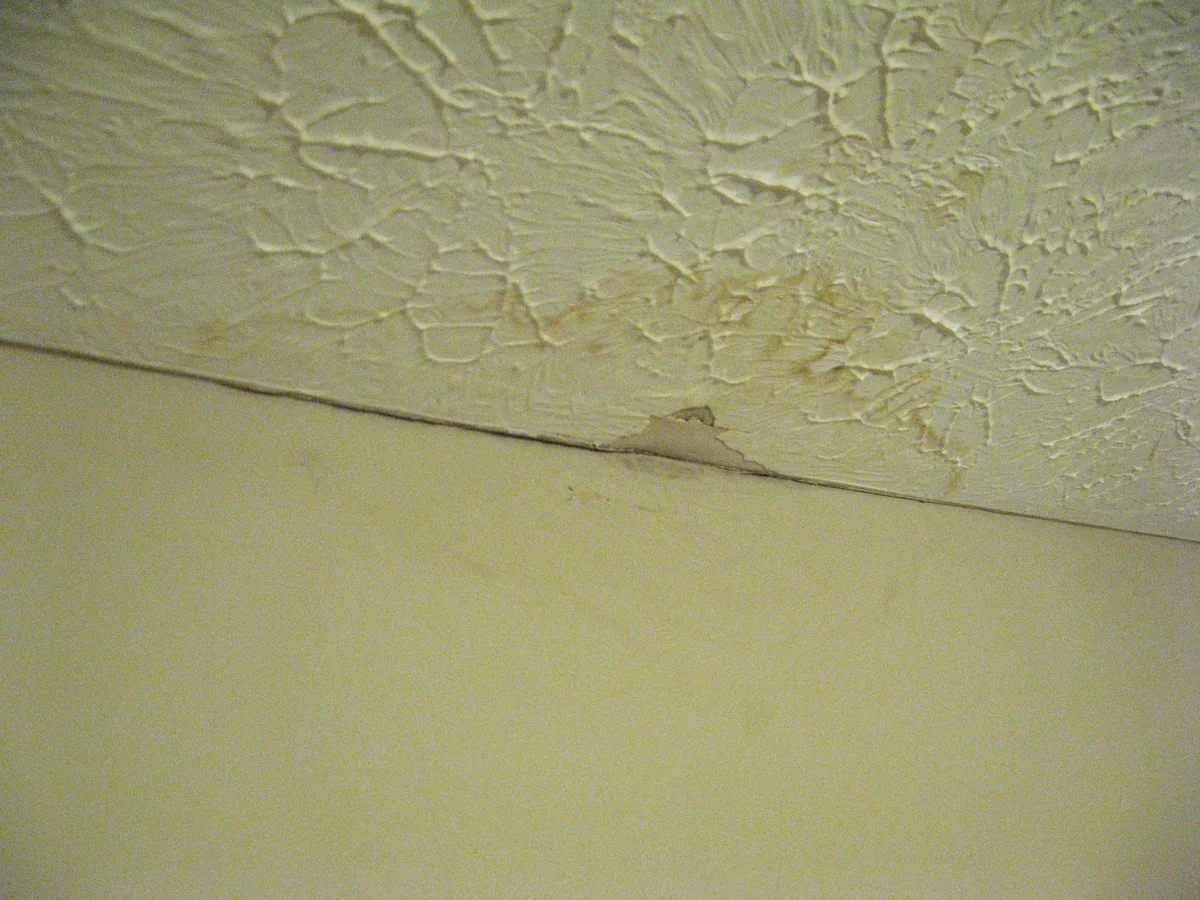
Water stains and active leaks
Rings, blistering paint, soft drywall or visible water signal a water path that must be traced before repairing finishes.
- Brown or yellow rings on ceilings or upper walls.
- Blistering paint, opening joints or soft drywall.
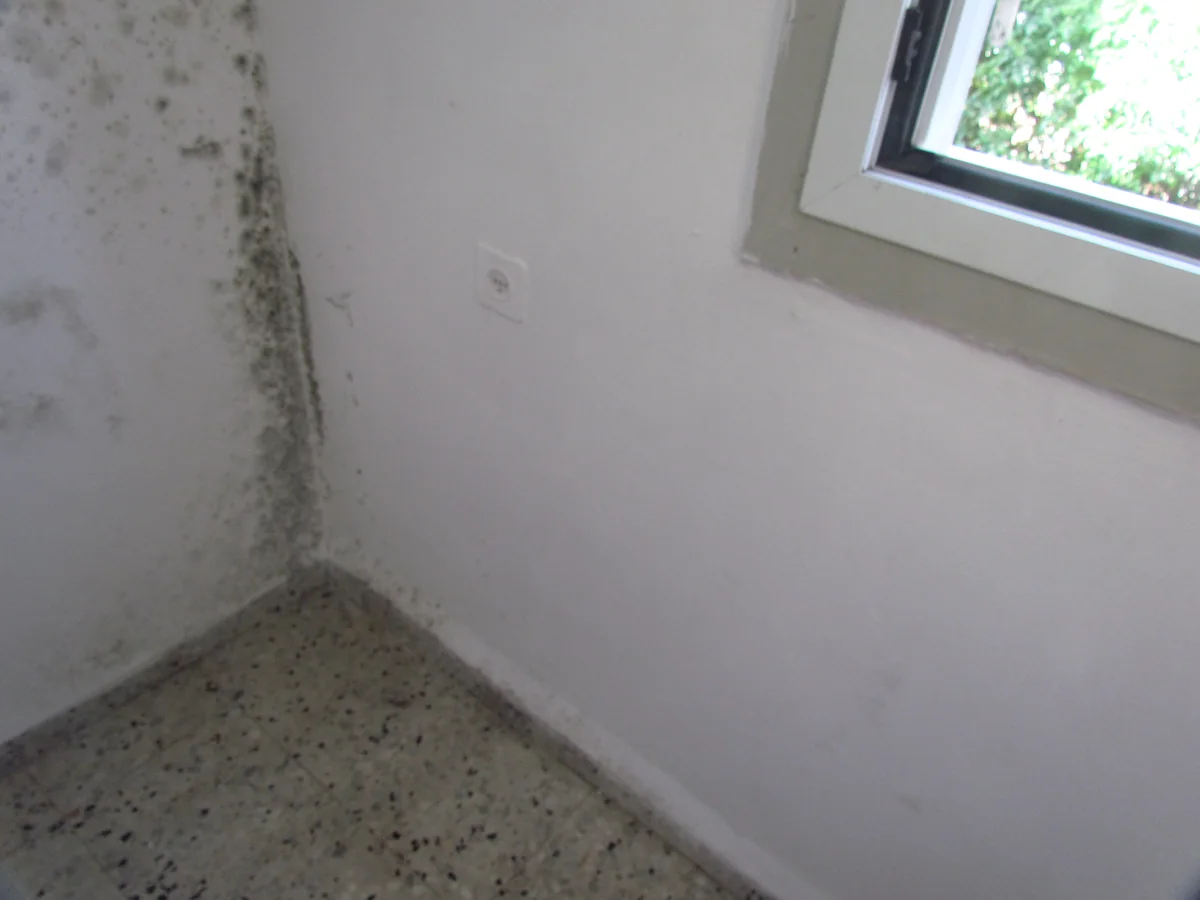
Visible mould and musty odour
Mould is rarely an isolated defect: it usually signals a moisture source, inadequate drying or a material that stayed wet too long.
- Black, green, grey or white spotting on materials.
- Persistent basement, wet cardboard or earthy odour.
Verified references
- National Plumbing Code of Canada 2025Canada model plumbing code
- Model code adoption across CanadaProvincial and territorial adoption
- Chemical safety for do-it-yourself projectsDIY chemical products
Understand the system
All guidesUseful guides for this project

French drains, foundation drains and channel drains
Choose the right drainage system for surface water, groundwater and the available outlet.
Checked: 2026-08-01Plan a pool, hot tub and cold plunge
Organize permits, barriers, base, equipment, energy, water and winterization before purchase.
Checked: 2026-08-01
Design a durable and safe sauna
Connect volume, heater, ventilation, vapour barrier, wood, benches and drainage.
Checked: 2026-08-01Water heater 101: choose, replace and install
Sizing, energy, parts, replacement sequence, controls and regulatory boundaries.
Checked: 2026-08-02Related path
Continue with the right tools
These links connect this page to the next useful checks and decisions without repeating the full content.
Start from a symptomOrganize plausible causes, observations, urgency and the right professional.Open →Track water useCompare meter readings and flag unusual changes.Open →Review water resilienceConnect flooding, drainage and future events to building adaptations.Open →Score home resiliencePrioritize water, outages, fire, climate, health and records.Open →Plan site, drainage and utilitiesCoordinate access, water, sewer, wells, septic, grading and site constraints.Open →
Quick scope estimate
Use your own unit prices. This mini-calculation does not replace the page's specialized calculator.
Continue the decision
Tools related to this issue
V14
Systems to check before closing the work
V14 connects envelope, air, fire, structure, water and code instead of treating each project in isolation.
V15
Remaining system checks not to miss
V15 covers issues that can block a project, cause a loss or become expensive once concealed.
V16
Advanced diagnostics to cross-check
V16 connects water, soil, climate, safety, materials and seasonal use to existing projects.
V17
Specialized systems to cross-check
V17 completes gas, soil, water, fire, climate and structural interfaces.
V18
Specialized diagnostics to verify
V18 connects systems that become costly or regulated when a primary project triggers them.
V19
Edge systems to integrate into the project
V19 covers interfaces that become important when multiple home systems interact.
V28
Finish and service details to verify
V28 connects small details that become costly once finishes are closed.
V47
V47 interfaces not to miss
These details are small on a drawing but can control water, structure or durability.