What you will know after this guide
- Electric resistance
- Heat pump
- Gas or propane
- Wood
Electric resistance
Baseboards and convectors are simple, zoned and inexpensive to install, but purchased electricity becomes heat without multiplication. They suit backup use or low initial investment. Verify service capacity and clearances.
Heat pump
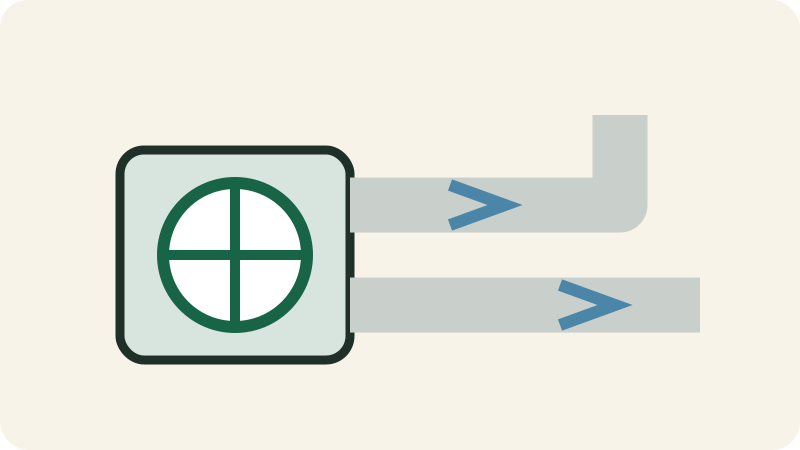
It moves heat and can substantially reduce electricity use while providing cooling. Performance varies with outdoor temperature, defrost, sizing, distribution and maintenance. Plan backup heat and compare low-temperature performance.
Gas or propane
High output and fast recovery, but combustion, venting, makeup air, CO detection, maintenance and fuel price add constraints. Compare condensing equipment, ducted or hydronic distribution, and future fuel availability.
Wood
Can provide resilience and radiant warmth, but requires certified equipment, a suitable chimney, clearances, dry fuel, storage, sweeping, ash handling and human attention. Disclose it to the insurer and keep installation and inspection certificates.
Hot-water hydronic
A heat source warms water distributed to radiators, baseboards or floors. Comfort is even and quiet, but leaks, purging, circulators, antifreeze, supply temperature and material compatibility must be managed. The heat source may be electric, gas, oil, wood or a heat pump.
Selection method
1. Room-by-room heat-load calculation.
2. Installed cost including distribution and electrical service.
3. Annual cost using seasonal performance and local rates.
4. Comfort, noise, cooling and zoning.
5. Maintenance, life, insurance and outage backup.
6. Quotes compared on the same assumptions.