
What you will know after this guide
- Before the viewing
- First pass: site and envelope
- Second pass: interior
- Third pass: systems
Before the viewing
- Review the listing, seller disclosure, taxes, plans, known permits and work history.
- Check flooding, grading, soils, regional radon, noise, access, utilities and zoning constraints.
- Bring a flashlight, tape, short level, outlet tester, hygrometer and camera; dismantle nothing without permission.
First pass: site and envelope
Observe grading toward the house, cracks, settlement, vegetation against walls, drainage, window wells, foundation, masonry, cladding, flashings, joints, windows, doors, soffits, gutters, chimneys, roof and decks. Look for isolated fresh repairs and water marks.
Second pass: interior
Notice odours, inspect ceilings and wall bases, operate doors and windows, and note sloped floors, repeating cracks, condensation, mould, noise, ventilation and daylight. Inspect under every sink and around toilets, tubs, showers and appliances.
Third pass: systems
Document the age, capacity and apparent condition of the panel, heating, cooling, water heater, ventilation, sump, plumbing, chimney, septic system or well. Ask for energy bills, maintenance records, warranties, water tests and specialist reports.
Conditions to include
A general visual inspection does not replace chimney, drain, sewer, inaccessible-roof, structural, electrical, water-quality, septic, tank or contamination inspections. Include conditions that allow these checks and document review.
Red flags
Denied access, recent work without invoices, masked odours, a continuously running dehumidifier, fresh paint in only one area, displaced cracks, an overloaded panel, a wavy roof, water near the foundation or inconsistent answers require further investigation.
Defects to recognize during the viewing
This selection covers signs that quickly change the budget or risk level of a purchase.
Water stains and active leaks
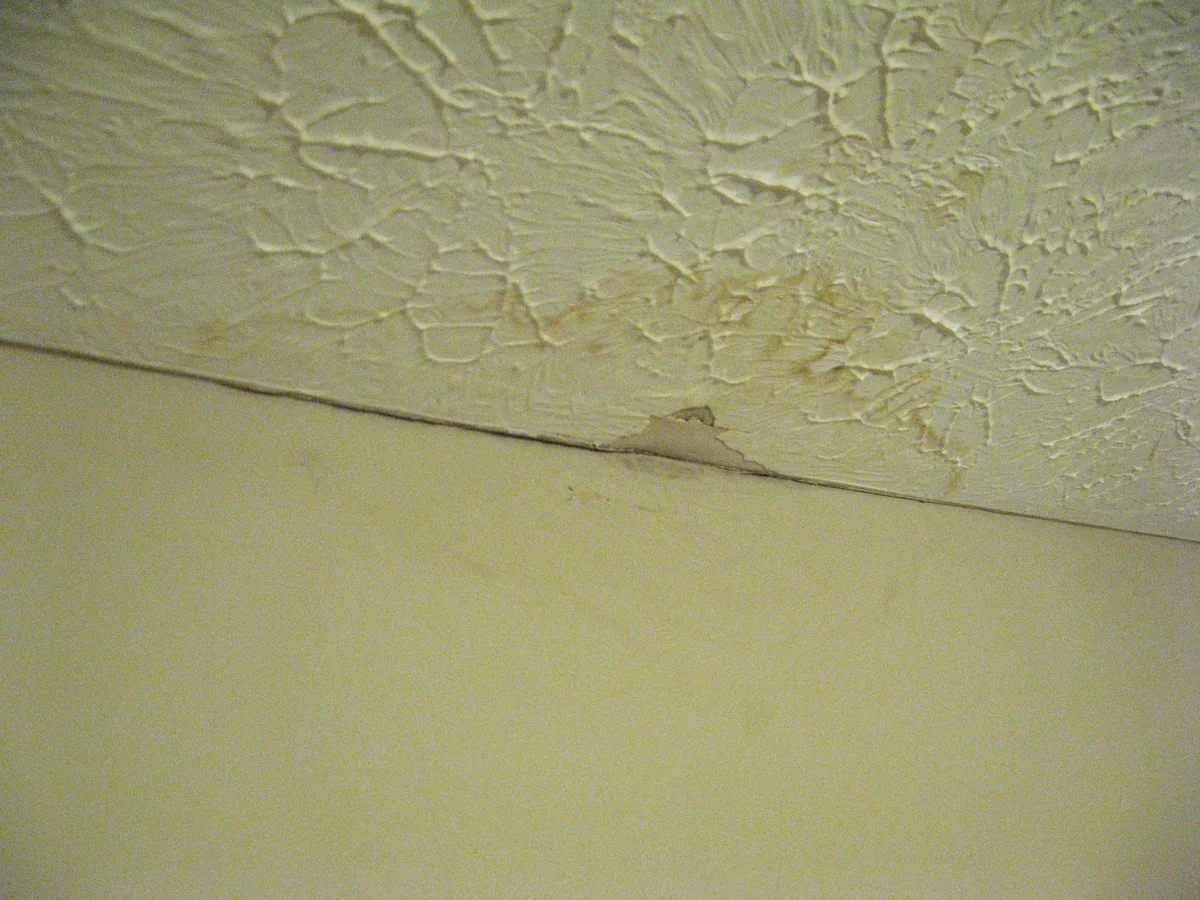
Rings, blistering paint, soft drywall or visible water signal a water path that must be traced before repairing finishes.
- Brown or yellow rings on ceilings or upper walls.
- Blistering paint, opening joints or soft drywall.
Foundation cracks and differential movement
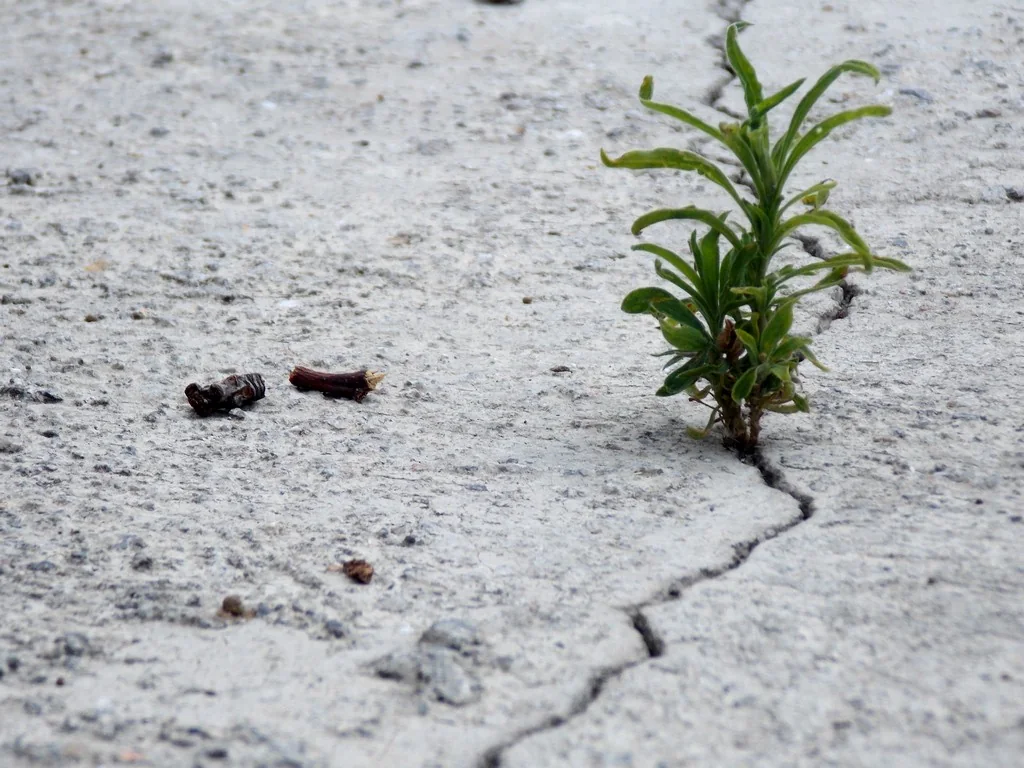
Not all cracks are equal: location, width, displacement and associated moisture guide urgency.
- Vertical, diagonal or horizontal cracks.
- Surface displacement, sticking doors, sloped floors or repeated new cracks.
Visible mould and musty odour
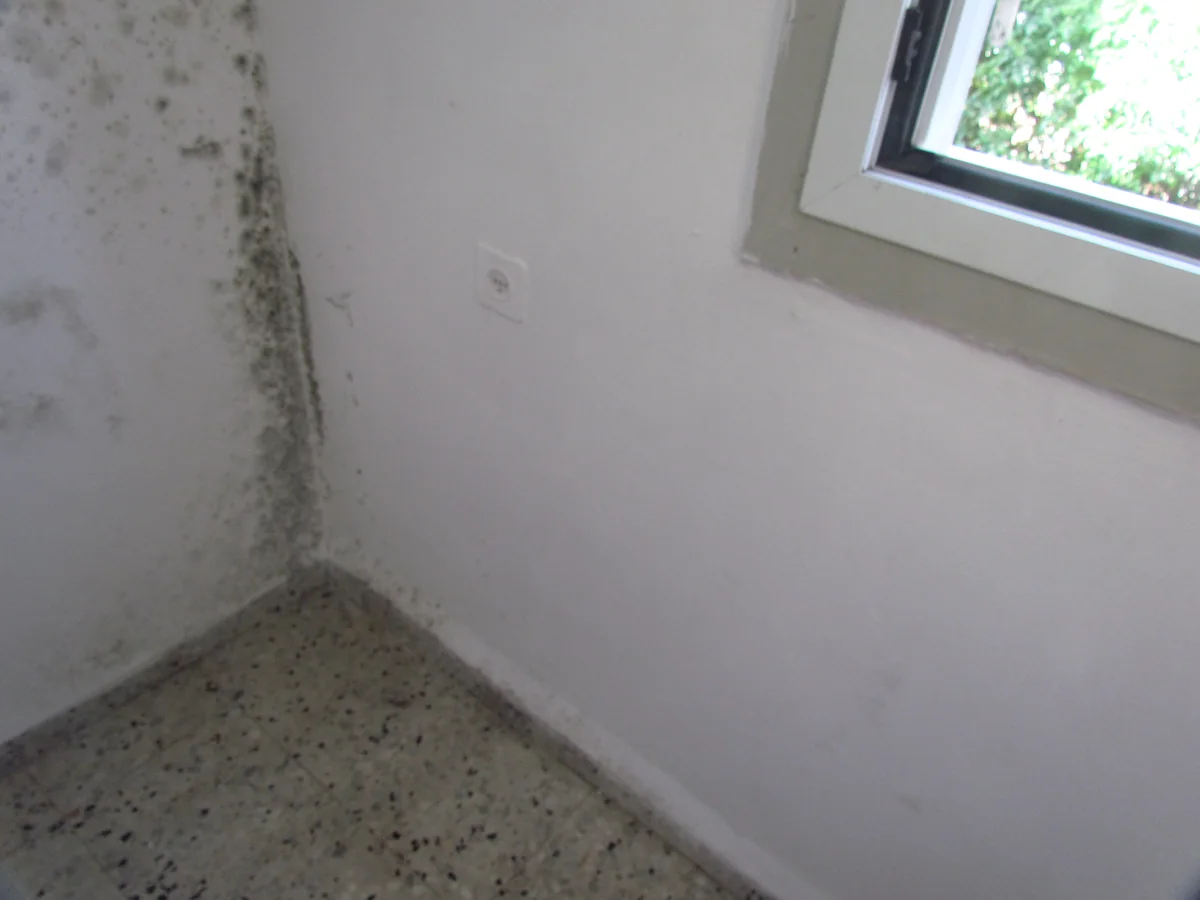
Mould is rarely an isolated defect: it usually signals a moisture source, inadequate drying or a material that stayed wet too long.
- Black, green, grey or white spotting on materials.
- Persistent basement, wet cardboard or earthy odour.
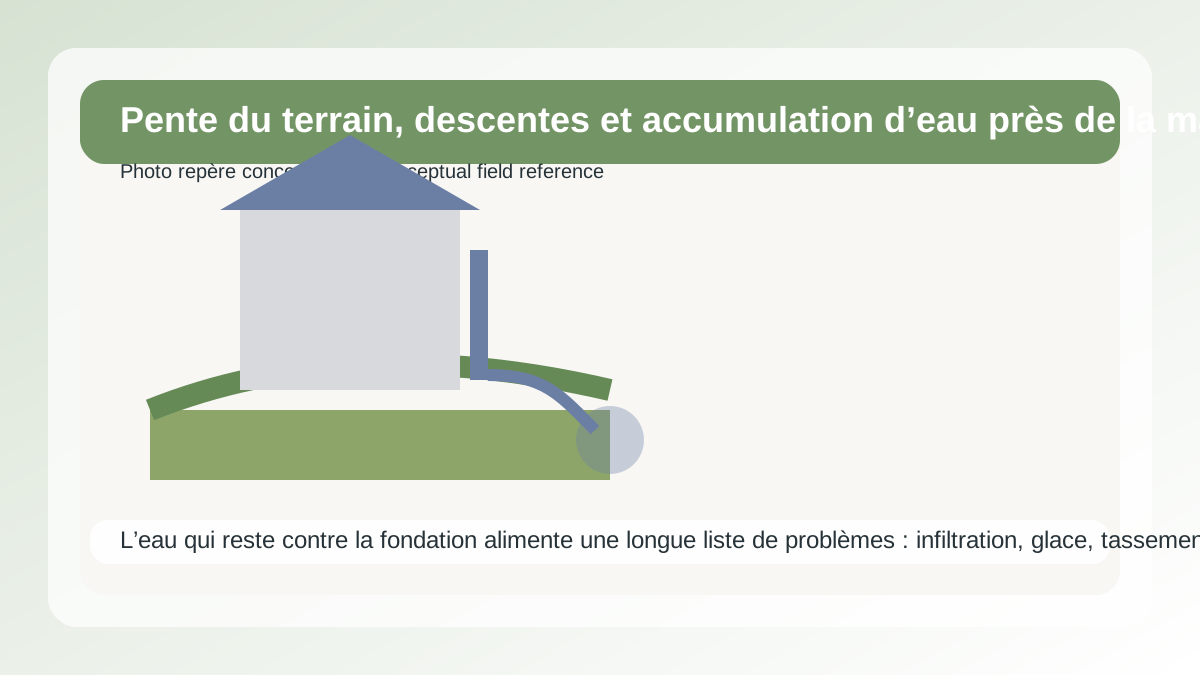
Grading, downspouts and water collecting near the house
Water that stays against the foundation feeds a long list of issues: leakage, ice, settlement, rot and premature deterioration.
- Persistent puddles, splash marks on lower cladding, sunken soil near the home.
- A downspout discharging at the wall, erosion, full window wells or recurring frost.
Electrical overheating, tripping breakers and damaged receptacles
A burning smell, a warm receptacle or a breaker that trips repeatedly is never a cosmetic issue.
- Browning faceplate, warm receptacle, buzzing or flickering light.
- Breaker trips without a clear reason or a repeatedly replaced fuse.
Chimney, combustion and draft problems
Startup smoke spillage, creosote deposits, deteriorating masonry or odour reversal can signal fire or carbon-monoxide risk.
- Smoke or gas odour, abnormal soot, weak draft or a CO alarm.
- Spalled masonry, open joints, missing cap or water in the firebox.
Quick inspection route
Front and site
Photograph, smell, note ages and compare dry areas with high-risk areas.
Roof and drainage
Photograph, smell, note ages and compare dry areas with high-risk areas.
Basement and foundation
Photograph, smell, note ages and compare dry areas with high-risk areas.
Wet rooms
Photograph, smell, note ages and compare dry areas with high-risk areas.
Mechanical and electrical
Photograph, smell, note ages and compare dry areas with high-risk areas.