What you will know after this guide
- Assess before lifting
- Mechanical aids
- Prepare the route
- Team handling
Assess before lifting
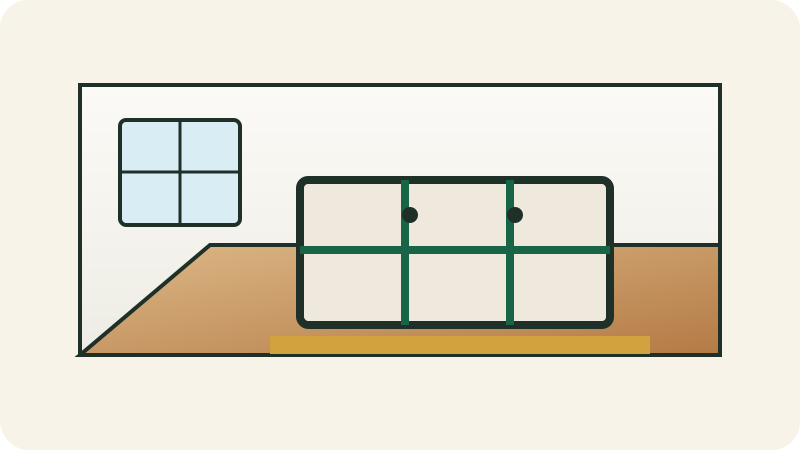
Identify weight, centre of gravity, handholds, moving contents, fragility, width, stairs, slope and destination. Empty and disassemble when the manufacturer allows. Measure doors, corridors, turns and elevator before moving day.
Mechanical aids
- Platform cart: boxes and stable loads.
- Appliance hand truck: tall appliances, secured with a strap.
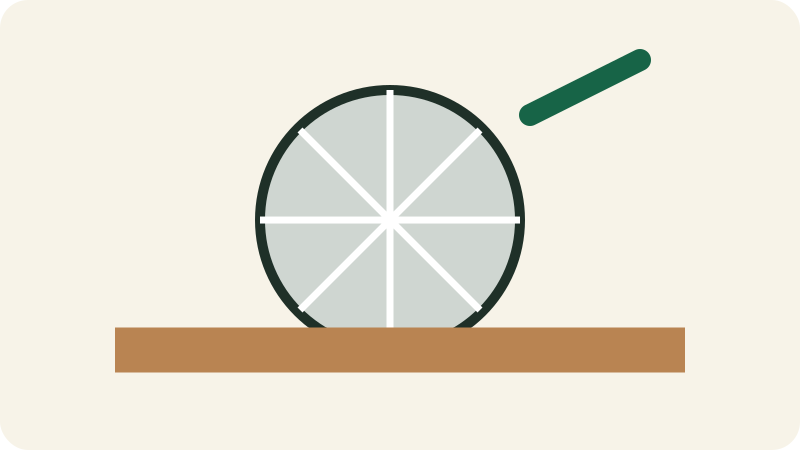
- Four-wheel dolly: low furniture on level floors.
- Furniture sliders: short movement without fully lifting.
- Carrying straps: distribute load, only with coordination.
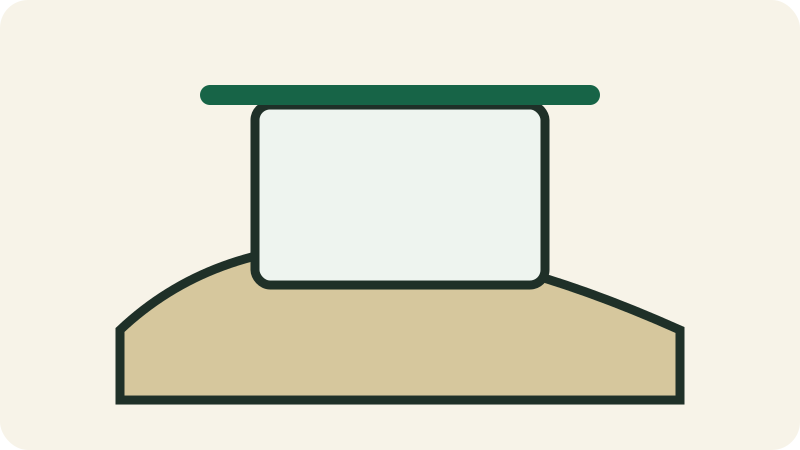
- Ramp and winch: vehicle or grade change, with rated capacity and anchorage.
- Powered stair climber: very heavy loads; training required.
Prepare the route
Clear and light the route, protect corners and floors, secure doors, dry surfaces, plan rest zones and keep children away. Ramps must be secured, slip resistant and rated for the total load.
Team handling
Name one leader, call every movement, test the load, push rather than pull where practical and never stand under a load or in its fall path. Stop as soon as vision, grip or balance is lost.
When to hire movers
Pianos, safes, stone tables, hot tubs, boilers, gas appliances, loads over stairs, oversized glass or objects without safe handholds justify insured specialists. Confirm coverage, exclusions, inventory, method and responsibility for disconnections.
Verified references
- CCOHS — Hoisting and moving heavy objectsCanada
- CCOHS — Manual materials handlingCanada; checked 2026-08-02